




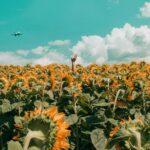




Canada’s farmers are at the heart of our food system, but the reality behind the idyllic images of rolling fields and golden harvests is far more complex. Today, farmers face unprecedented pressures—from rising costs of production to unpredictable weather caused by climate change. Rural communities are shrinking, skilled farm labour is increasingly scarce, and many family farms are struggling to survive.
According to Statistics Canada, the average age of farmers is now over 56, and fewer young people are entering the profession. Meanwhile, the economics of farming have become increasingly tight: input costs for feed, fertilizer, and fuel have surged, while market prices for many commodities remain volatile. Add in supply chain disruptions, the growing impacts of droughts, floods, and wildfires, and it’s clear that farming in Canada is not for the faint of heart.
In rural areas, access to mental health services, technical support, and sustainable farming resources is often limited. Many small farms operate without the safety net of large corporate infrastructure, making them particularly vulnerable to economic and environmental shocks. Yet, these farms are vital to our food security, our economy, and our cultural heritage.
Across the country, dedicated charities and non-profits are stepping in—providing education, financial support, advocacy, and community-building initiatives to ensure that farming in Canada not only survives but thrives.
Farmers’ Mental Health Initiative (FMHI)
farmersmentalhealth.ca
Farming can be an isolating profession. Long hours, financial stress, unpredictable weather, and rural isolation can take a heavy toll on mental health. The Farmers’ Mental Health Initiative exists to break the silence around mental health in agriculture and ensure farmers get the help they need.
Through peer support groups, confidential counselling services, and crisis intervention lines, FMHI works to make sure no farmer struggles alone. They also train community members and agricultural service providers in mental health first aid so they can spot warning signs and provide early intervention.
Supporting FMHI helps fund counselling subsidies, expand helpline coverage, and reduce the stigma that still surrounds mental health in farming communities.
Farmers Helping Farmers
farmershelpingfarmers.ca
Based in Prince Edward Island, Farmers Helping Farmers connects Canadian farmers with rural communities overseas—especially in Kenya—to share knowledge, skills, and resources. But their work also strengthens Canadian agriculture by fostering cross-cultural exchange and innovation.
Canadian farmers who participate often return with new techniques for water conservation, soil management, and cooperative farming models that can be applied back home. The organization also supports youth engagement in agriculture, inspiring the next generation to see farming as a viable and rewarding career.
By supporting Farmers Helping Farmers, donors are investing in global solidarity and sustainable agriculture at home and abroad.
National Farmers Union (NFU)
nfu.ca
The NFU is a farmer-led advocacy organization that represents thousands of Canadian farmers across all sectors. They work for fair farm income, environmental stewardship, and food sovereignty.
Their initiatives range from lobbying for farm-friendly trade policies to promoting regenerative agricultural practices that rebuild soil health and biodiversity. They also provide education on climate-resilient farming and advocate for programs that help new farmers access land.
Supporting the NFU means backing policies that protect family farms, promote ecological farming methods, and ensure that rural communities remain strong.
Do More Agriculture Foundation (Do More Ag)
domore.ag
Do More Ag is a national non-profit dedicated to mental health in agriculture. While similar in mission to FMHI, their focus is on awareness, education, and breaking down barriers to care.
They run community-based mental health literacy workshops, bring in mental health professionals to rural events, and maintain a resource hub for farmers seeking help. Their “Talk Ask Listen” training program equips farmers and agricultural workers to recognize and respond to mental health challenges among peers.
Donating to Do More Ag helps bring life-saving conversations and resources into communities where stigma and service shortages still prevent many from seeking help.
Ecological Farmers Association of Ontario (EFAO)
efao.ca
The EFAO supports farmers committed to ecological and regenerative practices. They provide training, mentorship, and research grants to help farmers transition to methods that protect the environment while producing high-quality food.
Their Farmer-Led Research Program allows farmers to design and conduct experiments on their own land, generating practical data on topics like cover cropping, pest control without chemicals, and improving soil fertility.
By supporting EFAO, donors help accelerate the shift toward more sustainable, climate-resilient agriculture—ensuring that future generations can farm successfully.
Young Agrarians
youngagrarians.org
Young Agrarians is a network for new and young farmers across Canada. They help beginners access land, mentorship, and community, while promoting sustainable and organic farming methods.
Their Land Matching Program pairs aspiring farmers with retiring landowners, facilitating generational transitions that keep farmland in production. They also offer business coaching, field schools, and an online community that connects farmers across vast rural distances.
Supporting Young Agrarians means investing in the next generation of farmers and ensuring that farming knowledge is passed down—not lost.
Canadian Organic Growers (COG)
cog.ca
COG is the national charity for organic farming in Canada. They provide education, resources, and advocacy for organic producers, gardeners, and consumers.
They work with farmers to develop organic management plans, navigate certification processes, and implement regenerative practices that improve yields and biodiversity. COG also runs public education campaigns to raise awareness about the benefits of organic farming for health, the environment, and rural economies.
Donating to COG helps expand organic farming across Canada—protecting the land and producing healthy food without synthetic inputs.
Canadian Agricultural Safety Association (CASA)
casa-acsa.ca
Farming is one of the most dangerous occupations in Canada, with hazards ranging from heavy machinery accidents to pesticide exposure. CASA works to improve farm safety through training, resources, and awareness campaigns.
They provide workshops on equipment safety, child safety on farms, and emergency preparedness. CASA also runs the “BeGrainSafe” program, which educates about the dangers of grain entrapment and provides rescue training to rural fire departments.
Supporting CASA helps protect the lives and livelihoods of farmers, farm workers, and their families.
Ag in the Classroom Canada (AITC-C)
agricultureintheclassroom.ca
AITC-C connects students with agriculture through hands-on learning, curriculum resources, and farm visits. While focused on education, their work is vital to the future of Canadian farming—helping young people understand where their food comes from and inspiring them to consider careers in agriculture.
They collaborate with farmers, agribusinesses, and educators to create engaging programs that bridge the rural-urban divide. By fostering agricultural literacy, they build public support for farming and encourage innovation in the sector.
Supporting AITC-C means planting the seeds for the next generation of Canadian farmers and informed consumers.
Where Do We Go From Here?
The future of farming in Canada depends on more than just good weather and market prices. It depends on mental health support, sustainable practices, fair policy, and strong community networks.
First, we must ensure farmers have access to resources that safeguard their mental and physical health. Charities like FMHI, Do More Ag, and CASA are leading the way, but they need sustained funding to reach more rural communities.
Second, we need to invest in the next generation of farmers. Programs from Young Agrarians, AITC-C, and Farmers Helping Farmers show how mentorship and education can inspire young people to see agriculture as a career worth pursuing.
Third, sustainability must be a priority. The EFAO and COG demonstrate that farming can work in harmony with the environment—producing food while regenerating the land. Supporting these models now will pay dividends in the future.
Finally, advocacy matters. Without fair policies and protections for farmers, all other efforts risk being undermined. The NFU plays a vital role in ensuring farmers’ voices are heard at the highest levels.
Final Thoughts
Canadian farmers are more than food producers—they are stewards of the land, builders of community, and guardians of a tradition that sustains us all. Yet they cannot bear these responsibilities alone.
By supporting the organizations highlighted in this article, we’re not just helping individual farmers. We’re strengthening rural communities, protecting the environment, and securing our national food system for generations to come.
The choice is ours. We can watch the challenges mount and the number of family farms decline, or we can step in—together—and make a tangible difference. Every donation, every volunteer hour, every conversation about the value of farming brings us closer to a future where Canadian agriculture is resilient, respected, and thriving.
The work is urgent, but the rewards are enormous: a stronger Canada, healthier communities, and a secure, sustainable food supply. And it all begins with standing beside the people who put food on our tables every day.