








Discover why protecting Canada’s night skies matters. Learn how light pollution harms nature and communities, and support five organizations leading the change.
The Disappearing Night Sky
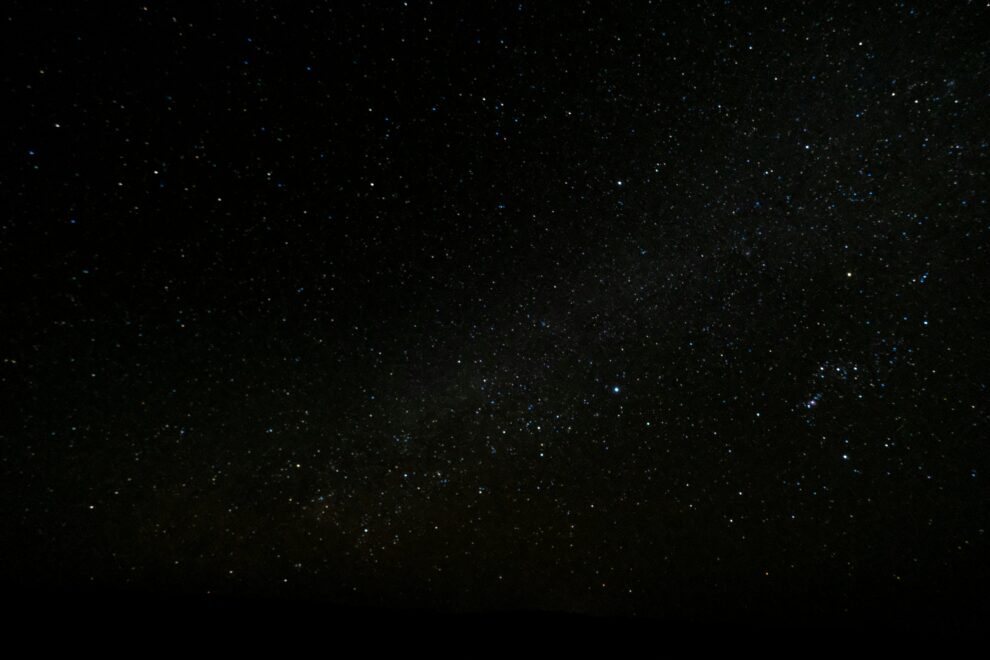
If you grew up seeing the Milky Way stretch across the sky, you might be surprised how rare that view has become. Today, more than 80% of Canadians live under light-polluted skies, where the natural brilliance of the stars is invisible. This is not just a loss for stargazers. Light pollution disrupts ecosystems, wastes energy, and even affects our health.
Canada, however, is also a leader in dark-sky protection. From Jasper National Park to Mont-Mégantic, Canadian communities and charities are pioneering solutions to reduce light pollution. In this article, we’ll explore why protecting the night sky matters, the challenges ahead, and five organizations you can support to bring the stars back into view.
Why Protecting the Night Sky Matters
1. Environmental Impact
Artificial light at night disrupts countless species. Migratory birds use stars to navigate, and bright city lights can disorient them, leading to deadly collisions. Insects are drawn to artificial lights, exhausting themselves and reducing populations that many ecosystems rely on. Bats and other nocturnal animals also lose hunting opportunities when skies are overly bright.
2. Human Health
The human body is wired to natural cycles of light and darkness. Artificial lighting disrupts circadian rhythms, leading to poor sleep, stress, and higher risks of obesity, diabetes, and depression. A darker night sky isn’t just beautiful—it’s healthier.
3. Cultural and Spiritual Importance
For Indigenous peoples, the night sky has long carried stories, teachings, and navigational knowledge. Protecting dark skies also preserves opportunities for all Canadians to connect with cultural traditions, storytelling, and scientific discovery.
4. Energy Waste and Climate Change
The International Dark-Sky Association estimates that at least 30% of outdoor lighting is wasted, costing billions in electricity annually. Smarter lighting design not only restores the night sky but also cuts greenhouse gas emissions.
5. Tourism and Education
Dark-sky preserves attract tourists, astronomers, and students. Events like the Jasper Dark Sky Festival bring in visitors from around the world. Protecting night skies supports local economies while inspiring curiosity about science and the universe.
Challenges in Reducing Light Pollution
- Urban Expansion: Growing cities bring more streetlights, billboards, and illuminated buildings.
- Unshielded Fixtures: Many lights shine upward instead of focusing downward where illumination is needed.
- Lack of Awareness: Few people realize light pollution is a problem—or that it has solutions.
- Policy Gaps: Lighting standards vary by municipality, and many lack clear dark-sky protections.
- Cultural Habits: Bright lights are often mistaken for safety, even though over-lighting can create glare and shadows that reduce visibility.
Human Health Impacts in Detail
Light pollution affects humans in subtle but powerful ways:
- Sleep disruption: Blue-rich LED lighting suppresses melatonin, making it harder to fall and stay asleep.
- Mental health: Lack of restorative sleep is linked to anxiety and depression.
- Chronic disease: Research suggests links between long-term exposure to artificial light at night and higher rates of obesity, cardiovascular disease, and certain cancers.
Wildlife at Risk
Light pollution affects more than people:
- Birds: Migratory species collide with lit-up skyscrapers. Programs like Toronto’s FLAP (Fatal Light Awareness Program) save thousands of birds annually.
- Turtles: Along coasts, hatchlings mistake artificial lights for the moon and crawl inland instead of toward the ocean.
- Insects: Entire populations collapse around streetlights, leaving fewer pollinators and food sources for other species.
- Bats: Many bats avoid lit areas, reducing their hunting grounds and survival rates.
Canada’s Leadership: Success Stories
- Jasper National Park, Alberta: One of the world’s largest dark-sky preserves, hosting an annual Dark Sky Festival.
- Mont-Mégantic, Quebec: The first International Dark-Sky Reserve, designated in 2007.
- Torrance Barrens, Ontario: Canada’s first official Dark-Sky Preserve, protecting 5,000 hectares of wilderness.
- Grasslands National Park, Saskatchewan: Offers some of the darkest skies in North America, attracting astronomers and nature lovers.
Five Organizations Leading the Way in Canada
1. Royal Astronomical Society of Canada (RASC)
The RASC is a national charity advancing astronomy and public education. They certify Dark-Sky Sites across the country, publish resources on light pollution, and engage communities through astronomy clubs. Their Light Pollution Abatement committee provides municipalities with model bylaws to adopt.
Supporting RASC helps expand educational outreach and protect more areas from harmful lighting practices.
2. International Dark-Sky Association (DarkSky)
DarkSky is the global leader in light pollution awareness. In Canada, they work with communities to certify International Dark Sky Places, promote responsible outdoor lighting, and raise awareness about the impacts of artificial light. Their network includes local chapters that partner with schools, governments, and parks.
By donating to DarkSky, you support international advocacy and Canadian community-level change.
3. Parks Canada Dark-Sky Preserves
Parks Canada manages more than a dozen official Dark-Sky Preserves, the largest collection of its kind worldwide. These preserves limit artificial lighting, protect nocturnal ecosystems, and provide educational stargazing programs. Supporting Parks Canada’s dark-sky initiatives keeps funding flowing into conservation and visitor programs.
4. Ecojustice
Ecojustice is Canada’s largest environmental law charity. While they address many environmental challenges, their advocacy helps integrate smart energy use and pollution reduction into Canadian law. Ecojustice pushes governments to adopt stricter lighting and energy-efficiency policies, linking dark skies to climate action.
5. RASC Light Pollution Abatement (LPA) Program
Within RASC, the LPA program provides technical guidance, educational materials, and advocacy for communities looking to reduce light pollution. They train local leaders, create lighting guidelines, and work with municipalities to adopt dark-sky friendly bylaws.
Supporting the LPA program ensures more Canadian communities have the tools to take action at the local level.
Policy Solutions That Can Accelerate Progress
- Uniform lighting bylaws across municipalities.
- Financial incentives for businesses and homeowners to switch to shielded, energy-efficient fixtures.
- Stricter building codes requiring downward-facing outdoor lighting.
- Integration into climate strategies, recognizing light pollution as wasted energy.
- Education campaigns at schools and community events.
What You Can Do Today
- Replace outdoor bulbs with shielded, warm-colored LEDs.
- Turn off decorative or unnecessary lighting overnight.
- Visit a Dark-Sky Preserve and support local tourism.
- Share information about light pollution with friends and neighbors.
- Donate to organizations like RASC, DarkSky, Parks Canada, Ecojustice, and the RASC LPA program.
Key Resources
- Royal Astronomical Society of Canada: https://rasc.ca/
- DarkSky International: https://darksky.org/
- Parks Canada Dark-Sky Preserves: https://parks.canada.ca/nature/science/nocturne-dark
- Ecojustice: https://ecojustice.ca/
- RASC Light Pollution Abatement Program: https://rasc.ca/lpa
Conclusion: Restoring the Stars Above Us
The stars have guided humans for millennia, inspired stories, and fueled science. Yet today, most Canadians live under skies too bright to see the Milky Way. Light pollution is reversible—unlike many environmental problems—and every action counts.
By supporting organizations like the Royal Astronomical Society of Canada, DarkSky International, Parks Canada, Ecojustice, and RASC’s Light Pollution Abatement Program, you can help bring the stars back. Together, we can protect wildlife, save energy, improve health, and ensure that future generations look up to a sky filled with stars, not just artificial glow.