

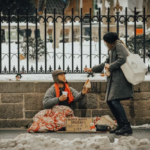







When people hear “human trafficking,” they often picture movie scenes and far‑away places. In real life, it’s usually closer and quieter. Trafficking is when someone uses force, lies, pressure, or control to exploit another person for sex or labour. It can look like a teen who disappears on weekends and won’t talk about where they go. It can look like a newcomer working long hours with no pay and no passport. It can look like a boyfriend who slowly isolates someone from friends, takes their phone, and controls their money.
Trafficking doesn’t happen “because of” the victim. It happens because someone decides to abuse power. People of any age, gender, and background can be targeted. Youth who’ve faced homelessness, family conflict, racism, or homophobia are at higher risk. So are migrant workers and people living far from support. Online spaces can make it worse—grooming, blackmail with images, fake jobs, and fake relationships. That sounds heavy, but there is real hope. Across Canada, organizations are helping people stay safe, leave exploitation, and rebuild.
Below are trusted groups doing this work every day.
The Canadian Centre to End Human Trafficking: National Helpline and System Change
canadiancentretoendhumantrafficking.ca
This national charity runs the Canadian Human Trafficking Hotline (1‑833‑900‑1010). It connects people to safe housing, legal help, counselling, medical care, and police if wanted. The Centre also maps services across the country and studies how trafficking really works here—so policies and programs fit real life, not myths.
Survivors shouldn’t have to make ten calls to find a safe bed or a lawyer who understands trafficking. A single, confidential helpline that knows the landscape can save time and stress. Your support keeps trained responders on the line and helps the Centre push for better systems.
Canadian Centre for Child Protection: Cybertip and Practical Tools for Families
The Canadian Centre for Child Protection focuses on child safety, both online and offline. Their Cybertip program is a national tipline for reporting online child sexual exploitation. They also offer tools for removal of intimate images, education for schools, and clear guides for parents about grooming, sextortion, and safer tech use.
A lot of exploitation starts on screens. Quick, respectful help—plus up‑to‑date info—gives families a way to respond without shame. Donations support 24/7 tipline work, hotline training, and resources schools can use right away.
Covenant House Toronto: Specialized Support for Trafficked Youth
Covenant House Toronto is known for youth homelessness services, but they also run specialized programs for survivors of sex trafficking. This includes emergency beds, longer‑term housing, case management, trauma‑informed counselling, legal referrals, and help with school or work. Staff meet youth where they are and move at the pace that feels safe for them.
Leaving is a process, not one moment. Young people need stable housing, trusted adults, and time to heal. Supporting Covenant House keeps a full range of care in one place—so youth don’t have to retell their story over and over.
RESET Society of Calgary: Exit Services and Safe Housing
RESET (formerly Servants Anonymous) supports women and girls leaving sexual exploitation and sex trafficking. They offer safe housing, 24/7 support, counselling, life‑skills programs, and help with school and employment. Their model is steady and long‑term. Many graduates say the time and consistency made the difference.
Exploitation cuts deep. Recovery takes more than a week in a shelter. RESET gives time, structure, and community so people can rebuild at a pace that lasts. Your gift helps keep safe homes open and staff available around the clock.
ACT Alberta: Provincial Coordination and Training
ACT Alberta works across the province to respond to human trafficking—both sex and labour. They provide direct support to people who’ve been trafficked, training for frontline workers and businesses, and coordination with police and community partners. They also help identify labour trafficking, which is often missed in public conversations.
Trafficking doesn’t stop at city borders. When a province has a central hub that understands local laws and resources, more people get help faster—especially in smaller towns and rural areas.
Children of the Street (PLEA): Prevention for Youth and Families
Children of the Street runs prevention workshops and family support in British Columbia. Their sessions for middle and high schools cover grooming, boundaries, online safety, and how to get help. They talk with youth using real‑world examples and clear language, not scare tactics. Parents and caregivers get tools to start tough conversations and spot changes early.
Prevention saves pain. A single workshop that teaches youth how to read red flags—and how to help a friend—can interrupt grooming before it becomes control. Donations bring this training to more classrooms and communities.
Where Do We Go From Here?
Learn the signs—then trust your gut. Red flags include sudden changes in clothes or money, secret trips, someone older waiting after school, constant texting from a controlling person, no access to ID or phone, excuses that don’t add up, and fear of certain places. None of these prove trafficking on their own, but together they can point to a problem. If you’re worried, call the hotline (1‑833‑900‑1010) for advice on next steps.
Share help, not rumours. Keep a short resource list in your phone: the Canadian Human Trafficking Hotline, a local shelter or sexual assault centre, and protectchildren.ca for Cybertip. Share it quietly with a friend who might need it. Don’t post names, addresses, or guesses online—that can make things more dangerous.
Be a safe person. If someone opens up, listen without judgment. Say, “I’m glad you told me,” and, “You didn’t cause this.” Ask what they want to do next. Offer to sit with them while they call a hotline or text a counsellor. Respect their choices. Safety plans work best when the person has control.
Make school a safer place. Ask teachers to bring in credible presenters for health class or assemblies. Support student clubs that create safer hallways and group chats. Work with staff to set up a private room where students can talk to a counsellor or social worker without everyone watching.
Support decent work. Trafficking isn’t only about sex; it also includes forced labour. Back groups that help migrant workers know their rights and get fair treatment. If your family runs a business, be clear with contractors: everyone gets paid, keeps their ID, and can leave. Simple policies prevent abuse.
Give and volunteer. Money helps organizations plan: hotline staffing, safe housing, food, transportation, counselling, and legal support. Monthly gifts—even small ones—keep programs steady. If you can’t donate, ask about volunteer roles that don’t compromise safety: outreach, event support, translation, or admin.
Use your voice carefully. When a story hits the news, people rush to share shocking details. Please don’t. Avoid spreading unverified “kidnap” posts. Trafficking often looks like manipulation and control, not dramatic abduction. Stick to facts and credible organizations. Your calm, accurate voice can lower fear and raise real awareness.
Final Thoughts
Human trafficking is about control, not choice. It happens here, and it hurts people our age. But there is a path out—and a lot of people walking it with survivors every day. The groups above run hotlines, teach prevention, offer safe housing, bring families accurate tools, and push for better systems so the next person doesn’t fall through the cracks.
You don’t have to do everything. Pick one step. Save the hotline number. Share Cybertip with a parent you trust. Donate to a front‑line group in your area. Invite a credible trainer to your school. Check in on a friend who seems different lately. Small, steady actions—done by many of us—add up to safety, dignity, and real freedom.