










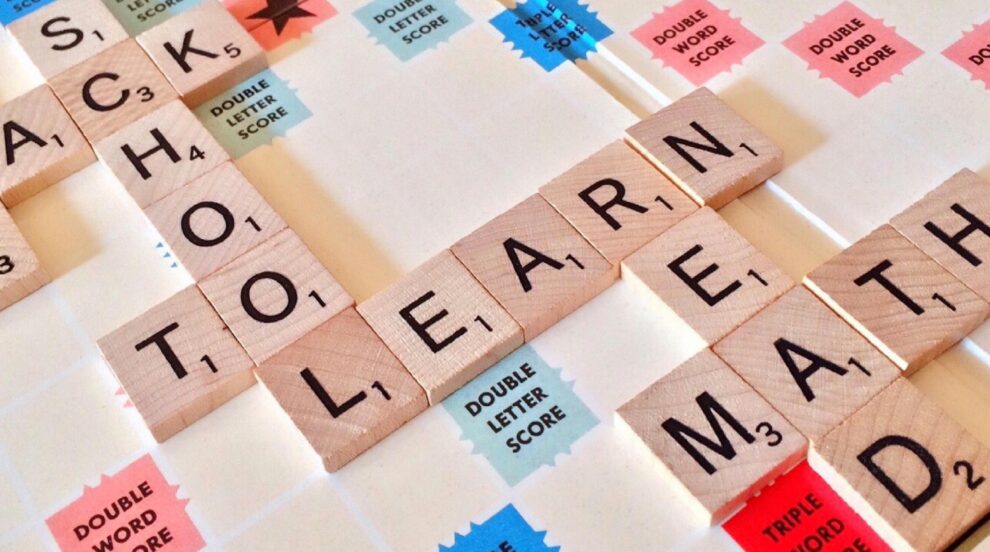
School should be the place where doors open. Sometimes it isn’t that simple. Maybe you’ve seen a classmate struggle with reading and try to hide it. Maybe a friend works late to help at home and falls behind on assignments. Some students move schools during the year and miss units. Others need glasses, quiet space, or stable internet just to keep up. When these gaps stack up, it can feel like school is a race and some people start way behind the line.
But there’s real hope. Across Canada, charities are filling the gaps with after‑school tutoring, book programs, teacher support in remote communities, scholarships, and family literacy. They aren’t flashy. They are practical and focused on what works: the right help at the right time, delivered with respect. You don’t have to be a teacher to help. You can donate, volunteer, share a resource, or run a small drive at your school. A few steady actions—done by a lot of us—can change a student’s year.
Below are trusted organizations working on quality education and literacy.
United for Literacy (formerly Frontier College): Tutoring That Meets Students Where They Are
https://www.unitedforliteracy.ca
United for Literacy has been supporting learners for more than a century, and the mission is the same today: help people build reading, writing, and math skills in ways that respect their lives. Their teams run homework clubs, one‑to‑one tutoring, literacy camps, and adult learning circles. Programs happen in schools, libraries, community centres, and online—wherever learners feel comfortable.
Literacy isn’t just a school subject. It’s how you fill out forms, read a bus schedule, apply for work, or help your little brother with a storybook. When a student gets one hour of focused support each week, confidence grows fast. Donations help train volunteers and keep programs free. If you’re a high school student, you can volunteer with proper training and support.
Pathways to Education: Staying in School, Step by Step
Pathways to Education works in neighbourhoods where students face more barriers. The program is simple and powerful: academic support, group mentoring, one‑on‑one check‑ins, and help covering small but heavy costs like transit. The goal is clear—help young people stay in school, graduate, and move into the next step they choose, whether that’s college, university, an apprenticeship, or a good job.
Dropping out isn’t a single decision; it’s a stack of small obstacles. A late bus. A confusing assignment. A part‑time shift you can’t skip. Pathways builds a plan with each student and sticks with it. Your support turns into tutoring hours and a steady adult who shows up week after week.
ABC Life Literacy Canada: Learning With Your Family, Not Just in Class
ABC Life Literacy Canada helps families learn together. They share simple activities for parents and caregivers to build reading, writing, and money skills at home. They train community groups to run workshops that make learning feel welcoming, not intimidating. They also provide tools for workplaces so adults can upgrade essential skills on the job.
School success starts long before the bell rings. When families have clear, friendly resources, they can make small changes that add up: reading ten minutes a night, cooking from a recipe together, tracking a budget, or writing a note to a teacher with confidence. Support here amplifies learning outside the classroom, where most of life happens.
Indspire: Indigenous Education, Led by Indigenous People
Indspire is a national Indigenous‑led charity that invests in the education of First Nations, Inuit, and Métis students. They provide scholarships and bursaries, connect students with mentors, and share classroom resources that centre Indigenous knowledge. They also run gatherings that lift up student voices and celebrate achievement.
Education systems haven’t served Indigenous learners fairly for a long time. Indspire helps change that by backing students directly and supporting teachers with materials that reflect real histories and cultures. A donation here becomes tuition support, mentorship, and confidence—things that ripple through families and communities.
First Book Canada: New Books, Right Where They’re Needed
First Book Canada gets brand‑new books into the hands of children and youth in low‑income communities. They work with schools, libraries, shelters, and other programs to run book distributions and build classroom libraries. The books are current—titles kids recognize—and there’s choice built in, so readers can pick something that actually speaks to them.
A home with a few books changes the feel of reading. It turns “school thing” into “my thing.” When kids get to choose a book and keep it, they’re more likely to read for fun, which is the fastest way to grow skill and vocabulary. Support here turns into real pages in real hands.
Teach For Canada | Gakinaamaage: Supporting Teachers in the North
Teach For Canada partners with northern First Nations to recruit, prepare, and support teachers so students have steady, skilled educators who plan to stay. The organization focuses on building cultural understanding, offering mentorship, and helping with the realities of living and teaching in remote communities. The work is done with communities, not around them.
Students learn best when teachers are prepared for the place they’re in. Consistency matters. Teachers who feel supported are more likely to stay, which means less turnover and more trust. Your support helps fund teacher training and ongoing mentorship tied to what northern schools actually need.
Where Do We Go From Here?
Start small and local. Ask your school which students need homework help and where volunteers would make the biggest difference. Offer one hour a week and keep showing up. If you’re great at math or French, lean into that. If you’re more patient than perfect, younger students need someone calm next to them while they try.
Share what works. If a class or club needs books, partner with a teacher to request a distribution from a book charity. If your school library has gaps—more graphic novels, more books by Indigenous and racialized authors—write a short proposal with your librarian. Keep the ask clear and reasonable. Small wins motivate people to aim higher next time.
Fix the boring barriers. A student can’t learn if their glasses are broken, they don’t have a bus pass, or there’s no quiet space at home. Work with your school council to create a small “barrier fund” for things like transit, calculators, or headphones. Recruit a few trusted adults to manage requests privately so students aren’t embarrassed.
Make reading normal again. Start a low‑pressure reading club: snacks, comfy chairs, and choosing your own book. No essays. Just a quick check‑in: “What surprised you?” Offer roles—host, snack captain, playlist maker—so it feels like a hangout, not homework. The goal is joy, not a grade.
Support families. Share simple, judgment‑free activities that make learning easier at home: reading aloud for ten minutes, cooking together with a recipe, visiting the library on Saturdays, or writing a card to a relative. If your school has many languages, make space for them. Literacy in any language helps literacy in English or French.
Back Indigenous education. Support scholarships and classroom resources that centre Indigenous perspectives, languages, and stories. If your class invites a speaker from a local Nation, prepare respectfully: offer an honorarium, start on time, and do your homework so the Q&A is thoughtful. Education is a relationship, not a one‑time event.
Look at your school space. Are there quiet rooms for breaks? Are lights and noise levels okay? Does the timetable crush students with back‑to‑back heavy classes? Share real suggestions with staff and student council. Sometimes one extra supervised room at lunch can be the difference between quitting and getting through the day.
Give what you can. Money helps charities plan programs and buy materials. Monthly gifts—even small ones—keep tutoring consistent and book deliveries on schedule. If you can’t donate, give time: help set up a homework club, sort book boxes, or coach a reading buddy.
Final Thoughts
Education isn’t just grades and tests. It’s the feeling that someone believes you can learn and will stand beside you while you try. The organizations above do that every day—in classrooms, libraries, community centres, and homes. They turn “I can’t” into “I’m getting there,” one page and one conversation at a time.
You don’t need a title to help. Start with one step: volunteer for an hour, donate to a program you trust, bring a stack of new books to a classroom, or help a friend catch up on an assignment. When a lot of us take small, steady actions, school feels less like a race and more like a door that opens—and stays open—for everyone.


