









The Buzz About Pollinators
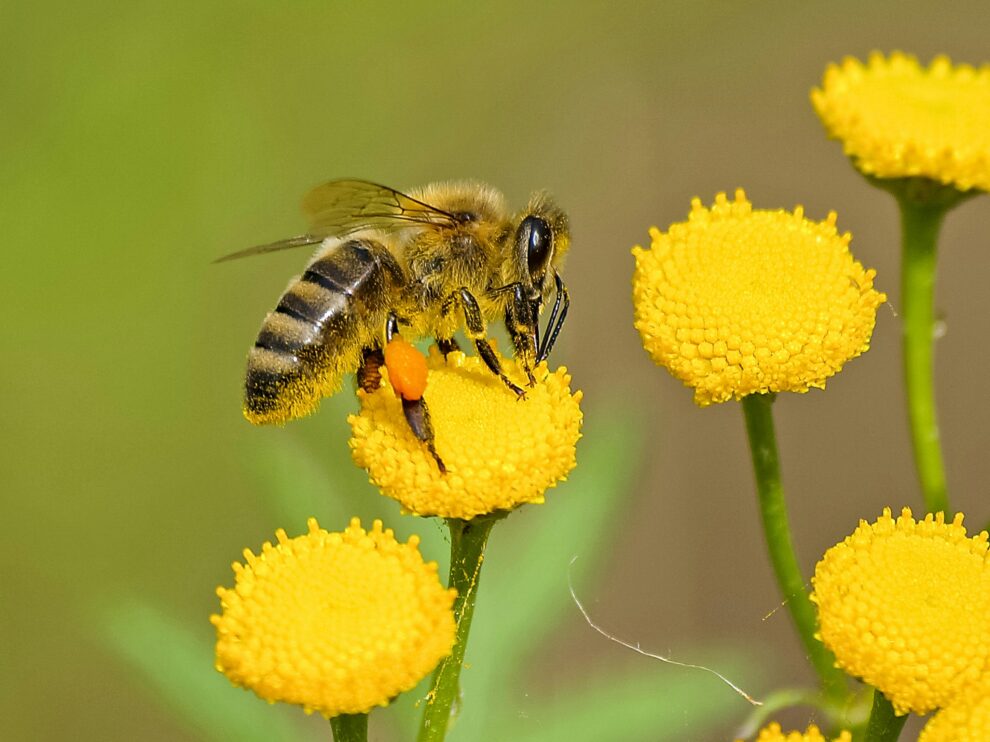
Pollinators like bees, butterflies, hummingbirds, and even beetles are the hidden helpers that keep our ecosystems and food supply running. In Canada and the United States, they are responsible for pollinating most flowering plants and many of the crops we eat every day. Without pollinators, we would lose apples, blueberries, almonds, coffee, and so much more. Imagine walking into a grocery store where fresh produce shelves are nearly empty—this is the reality we could face if pollinator populations collapse.
Right now, pollinator numbers are shrinking due to habitat loss, pesticides, disease, and climate change. Protecting pollinators is not just about saving the environment. It is about protecting our food, our economy, and our way of life. In this article, we explore why pollinators are so important, the threats they face, and what you can do to help. We will also highlight five charities in Canada and the USA that are doing critical work to ensure pollinators continue to thrive.
Why Pollinators Matter
- Food Security: About 75% of the world’s crops depend on pollinators. In North America, popular foods like apples, pumpkins, strawberries, almonds, and blueberries rely heavily on bees and butterflies. Without pollinators, harvests shrink, prices rise, and food shortages become a very real threat. For example, blueberry farmers in Atlantic Canada rely on pollinators for their seasonal harvests, and California’s almond industry cannot exist without bee pollination.
- Economic Value: Pollination adds billions of dollars to agriculture in Canada and the U.S. Honeybees alone contribute over $15 billion to U.S. crops each year, while wild pollinators provide billions more in unpaid labor. In Canada, the canola industry depends heavily on bees, adding more than $4.5 billion annually to the economy. Without pollinators, these industries would struggle to survive.
- Biodiversity: Pollinators are essential for ecosystems. By helping plants reproduce, they support habitats for birds, mammals, and other wildlife. Meadows, forests, and wetlands all depend on healthy pollinator activity to sustain the balance of nature.
- Cultural Importance: Indigenous communities across North America recognize pollinators as vital to natural balance. Many traditional practices, such as berry harvesting and the use of medicinal plants, rely on pollinator health. Protecting pollinators means protecting cultural traditions and community well-being.
The Challenges Pollinators Face
Pollinators are under more pressure today than ever before. Here are the biggest threats:
- Habitat Loss: Expanding cities and industrial farms take away meadows, forests, and wetlands. These natural spaces are where pollinators nest, feed, and reproduce. Without diverse landscapes filled with native plants, pollinators struggle to survive.
- Pesticides: Chemicals such as neonicotinoids are widely used in agriculture. These pesticides may increase crop yields in the short term but cause long-term damage by harming bees’ ability to navigate, reproduce, and fight off disease. In Ontario, Canada, the use of neonicotinoids on corn and soybeans has been linked to widespread bee deaths.
- Climate Change: Rising temperatures and shifting weather patterns affect when flowers bloom. If flowers open too early or too late, pollinators miss their food source. Monarch butterflies, for example, rely on milkweed during migration, but climate change is disrupting their timing and reducing food availability.
- Diseases and Parasites: Honeybee colonies face threats from mites, viruses, and bacteria. The Varroa mite, in particular, is a devastating parasite that spreads quickly and weakens bee populations.
- Monocultures: Industrial farming often focuses on one crop at a time, creating vast fields of limited food sources. While monocultures can be efficient for farmers, they leave pollinators without the variety they need for balanced nutrition.
How You Can Help
Even small actions at home can make a big difference:
- Plant native wildflowers in your garden or on your balcony. These provide year-round food sources for pollinators.
- Avoid pesticides in your yard. Natural alternatives like companion planting can protect your plants without harming pollinators.
- Buy local produce from farmers who use sustainable, pollinator-friendly practices.
- Leave patches of your lawn unmowed to give pollinators shelter and food.
- Support charities and organizations working on large-scale pollinator protection efforts.
1. Pollinator Partnership
Pollinator Partnership is one of the largest nonprofit organizations focused exclusively on pollinator health. They create and protect pollinator habitats, run research projects, and educate farmers, businesses, and communities about pollinator conservation. Their Pollinator Week, recognized internationally each June, is one of the biggest campaigns to raise awareness about pollinators worldwide. By supporting them, you help fund hands-on conservation projects that restore habitats across North America.
2. Xerces Society
The Xerces Society is a science-based nonprofit dedicated to protecting insects and other invertebrates. They are leaders in pollinator conservation, focusing on endangered species and habitat restoration. Their work includes protecting monarch butterflies, bumblebees, and countless other species that are vital to ecosystems. Xerces also works directly with farmers to implement bee-friendly practices that reduce pesticide use and promote biodiversity. Supporting Xerces means contributing to large-scale, science-driven conservation.
3. Bee City Canada
Bee City Canada brings together cities, schools, and businesses to support pollinators. Communities that join commit to creating pollinator-friendly spaces and running education programs that inspire people to take action. From school gardens to city-wide conservation programs, Bee City Canada makes pollinator protection accessible and community-driven. Donating or joining the Bee City movement helps turn everyday spaces into pollinator havens.
4. NSERC Canadian Pollination Initiative
The NSERC Canadian Pollination Initiative (CANPOLIN) is a network of scientists, farmers, and conservationists working together to better understand pollinator health. Their research covers pollination services, pesticide impacts, and climate change effects on bees and other pollinators. CANPOLIN’s work is critical for shaping national policies and improving farming practices in Canada. Supporting CANPOLIN helps advance research that informs real solutions to pollinator decline.
5. Monarch Joint Venture
The Monarch Joint Venture is dedicated to protecting monarch butterflies across North America. They focus on habitat restoration, research, and community engagement. Monarch butterflies are not just beautiful—they are a symbol of pollinator conservation. Their annual migration across the continent is one of nature’s great wonders, but habitat loss and climate change are putting them at risk. Supporting the Monarch Joint Venture means helping to preserve this iconic species and the ecosystems it represents.
More Ways to Get Involved
Beyond donating, you can:
- Volunteer with local conservation groups.
- Advocate for pollinator-friendly policies in your city or state.
- Teach kids about pollinators through school or community programs.
- Choose products labeled as bee-friendly or certified organic.
- Share resources and encourage friends and family to take action.
Bees Make a Difference
Pollinators are essential for our food, our economy, and our environment. Yet they are in trouble. The good news is that every action counts. Whether you plant a few flowers in your backyard, support local farmers, or donate to a nonprofit, you can make a difference. By backing organizations like Pollinator Partnership, Xerces Society, Bee City Canada, NSERC Canadian Pollination Initiative, and Monarch Joint Venture, you become part of a larger movement to protect pollinators across Canada and the USA.
Together, we can ensure these vital creatures keep buzzing, fluttering, and pollinating for generations to come.


