








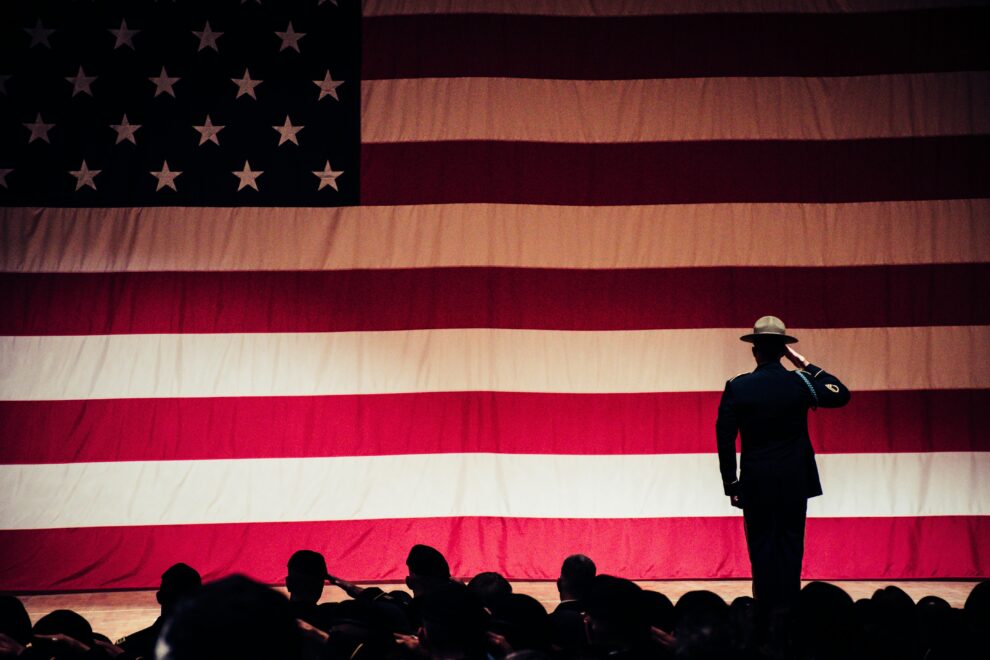
Many veterans struggle out of sight with jobs, housing, and health. Learn what works and support five proven nonprofits. Direct links included, no tracking.
A quiet reality too many Americans miss
Millions of veterans return to civilian life and disappear from public view. Some do not wear unit hats or attend parades. Some do not connect with the Department of Veterans Affairs right away. Others try to shoulder trauma, chronic pain, or isolation without asking for help. These are the veterans people often call invisible. They are neighbors, co workers, students, and parents. They want the same things everyone wants. Stable work. Affordable housing. A sense of purpose. Strong relationships. Respect.
Many do well after service, and that is important to say. But a significant number face challenges that are easy to miss. Transition takes time. Benefits can be confusing. Asking for help can feel risky. Pride and confidentiality matter. When support is not visible or easy to access, people slip through the cracks.
This guide explains why some veterans become invisible, the signs that someone may be struggling, what effective support looks like, and the nonprofits that are moving the needle. All charity links below go straight to official sites with no referral tags.
Immediate help is available. Call or text 988 and press 1 for the Veterans Crisis Line, or visit https://www.veteranscrisisline.net/ for chat support.
Why veterans fall out of view
Navigation is hard
Benefits can feel like a maze. Eligibility rules vary by discharge status and service history. Deadlines and paperwork create friction. If a veteran had a bad first experience, they may stop trying.
Health needs are complex
Some veterans manage post traumatic stress, moral injury, traumatic brain injury, or chronic pain. Others carry visible injuries that require ongoing care. Co occurring issues are common. Mental health, sleep, and substance use problems often overlap.
Employment and identity
Military skills do not always map cleanly to civilian job postings. Translating experience into a resume takes practice. The loss of unit identity can create a hole that work alone does not fill.
Housing and financial strain
A rent increase or medical bill can push a household into crisis. Veterans have higher risk of homelessness when they lack family support or live in high cost markets.
Stigma and silence
Many veterans do not want to be labeled as broken or helpless. Some worry that disclosing a condition will hurt job prospects. Others prefer not to talk about service at all. The result is less help and more isolation.
Signs a veteran you know may be struggling
- Big changes in mood, sleep, or appetite
- Withdrawal from friends, classes, or teams
- Missed work or repeated lateness
- Heavy drinking or new drug use
- Talk about feeling like a burden
- Sudden sale or storage of personal items
- Eviction notices or unstable housing
- Avoiding medical or counseling appointments
If you notice several signs, reach out in a calm and direct way. Try this: I care about you. I have noticed you are carrying a lot. Would you be open to talking to a counselor or calling the Veterans Crisis Line together?
What works when support actually works
Trust first
Veterans respond to credible messengers. Peers, veteran service officers, and clinicians who understand military culture can bridge the gap. Confidentiality is key.
One door that opens many doors
Warm handoffs beat cold referrals. The best programs combine benefits navigation, job coaching, housing support, and mental health care. Do not make people retell their story ten times.
Purpose and community
Volunteering, continued service, and leadership roles help restore identity. When veterans are part of something bigger, outcomes improve.
Skills translation
Resume coaching, certification programs, and apprenticeships connect military skills to civilian careers. Employers need help here too.
Family support
Strong relationships protect health. Programs that include spouses and children reduce stress at home and improve long term outcomes.
Five nonprofits bringing invisible veterans into the light
Each organization below has a clear mission and proven track record. Links are direct and untracked. Where possible, we note what your gift makes possible.
Disabled American Veterans (DAV)
Website: https://www.dav.org/
DAV is a congressionally chartered nonprofit that has supported veterans and families for more than 100 years. The core of DAV’s work is access. Volunteer drivers take veterans to medical appointments. Benefits advocates file claims and appeals. Mobile service offices visit rural communities where help is scarce. DAV also connects veterans to employment resources and helps wounded warriors adapt homes and vehicles.
Your support expands benefits counseling, increases free rides to care, and funds outreach in places where veterans might otherwise go unseen. If a veteran in your life needs help filing a claim, start with DAV.
Team Rubicon
Website: https://teamrubiconusa.org/
Team Rubicon mobilizes veterans to serve again through disaster response and humanitarian missions. The model is simple and powerful. Veterans bring leadership, logistics, and grit to communities hit by hurricanes, floods, and fires. In return, volunteers gain purpose, connection, and new skills. The network includes civilian volunteers as well, which builds strong bonds across communities.
Donations support training, equipment, and rapid deployments. Many invisible veterans find their footing here. Service gives meaning. Meaning builds health.
Wounded Warrior Project
Website: https://www.woundedwarriorproject.org/
Wounded Warrior Project focuses on the long term recovery of post 9 11 veterans with visible and invisible injuries. Programs include mental health care, peer support groups, adaptive sports, and financial education. The Warrior Care Network partners with leading medical centers to provide intensive outpatient treatment for post traumatic stress and traumatic brain injury.
Gifts help expand counseling capacity, travel stipends for care, and family programs that keep households strong during recovery.
Hire Heroes USA
Website: https://www.hireheroesusa.org/
Hire Heroes USA is all about jobs that last. The team provides one on one career coaching, resume and LinkedIn support, mock interviews, and direct connections to employers who are serious about veteran talent. They also support military spouses, who often face frequent moves and gaps in work history.
Donations fund more coaching hours, virtual workshops, and job fairs. When a veteran secures a quality job, stability follows. Fewer people fall through the cracks.
Student Veterans of America
Website: https://studentveterans.org/
Student Veterans of America supports more than 1,500 campus chapters nationwide. Chapters create peer networks, study groups, and leadership opportunities that ease the transition into higher education. The national team advocates for policies that protect GI Bill benefits and improve data on student outcomes.
Your gift strengthens campus chapters, scholarships, and research that helps colleges understand what veterans need to graduate and thrive.
Practical ways to help right now
For friends and family
- Save the Veterans Crisis Line contact and share it: https://www.veteranscrisisline.net/
- Offer specific help. A ride to an appointment. Childcare during an interview. Help with forms.
- Ask directly if someone is thinking about suicide. It is safe to ask and it can open a door to help.
For employers
- Adopt fair and transparent hiring practices. Use skills based job descriptions and consider military experience as equivalent training where appropriate.
- Train managers on military culture and invisible disabilities. Small adjustments can unlock strong performance.
- Create employee resource groups for veterans and spouses. Community improves retention.
For campuses
- Support your local SVA chapter. Fund a quiet study room and peer mentors.
- Make transfer credit evaluations transparent. Recognize military training where possible.
- Provide short term emergency grants. Small dollars at the right time prevent dropouts.
For communities and local leaders
- Host Veterans Day events that focus on year round support, not just ceremonies.
- Fund transit passes or ride programs to VA and community clinics.
- Back housing first strategies for homeless veterans, paired with wraparound care.
Policy ideas that scale what works
- Expand outreach for veterans who do not enroll in VA care within the first year after discharge.
- Invest in telehealth and broadband for rural veterans. Pair that with confidential spaces at libraries or community centers.
- Increase support for evidence based mental health programs, including cognitive processing therapy and prolonged exposure therapy.
- Remove barriers to professional licensing for military experience when skills match civilian standards.
- Strengthen HUD VASH and other housing programs that combine rental support with case management.
- Track outcomes with transparency. Require funded programs to measure employment, housing stability, and health over time.
Frequently asked questions
What does discharge status mean for benefits?
Honorable and general under honorable conditions usually qualify for most VA benefits. Other statuses can limit access. A benefits advocate at DAV can review options and help with upgrades when appropriate.
What if a veteran says they do not want help?
Respect autonomy and keep the door open. Share resources and check in later. If there is immediate risk of harm, call 911 and request a crisis intervention trained response when possible.
Are there local options beyond national charities?
Yes. County veteran service officers, state departments of veterans affairs, and community based nonprofits can help. The national groups in this guide often refer to local partners.
Is it safe to ask about suicide?
Yes. Asking shows care and does not plant the idea. Use clear language, listen, and connect the person to the Veterans Crisis Line at 988, press 1 or to a trusted clinician.
The path forward
Invisible does not mean unreachable. With the right mix of trust, practical help, and purpose, veterans who are struggling can and do recover. Jobs, housing, and health are the anchors. Family, peers, and service are the lines that hold. The five charities in this guide do not work in isolation. They build bridges to benefits, to education, to treatment, and to community. That is how lives change.
If you want a place to start today, pick one action. Share the Crisis Line. Ask a veteran about their goals this year. Offer help with a resume. Make a donation to one of these organizations:
- Disabled American Veterans: https://www.dav.org/
- Team Rubicon: https://teamrubiconusa.org/
- Wounded Warrior Project: https://www.woundedwarriorproject.org/
- Hire Heroes USA: https://www.hireheroesusa.org/
- Student Veterans of America: https://studentveterans.org/
Small actions reveal big needs. Big needs met by many hands turn invisible into seen.
Word count: approximately 1,540
Suggested tags: veterans support, invisible veterans, veteran mental health, Veterans Crisis Line, veteran employment, veteran housing, DAV, Team Rubicon, Wounded Warrior Project, Hire Heroes USA, Student Veterans of America