







About 1.3 billion people—roughly 1 in 6 worldwide—live with mobility, physical, or sensory disabilities. Many still run into barriers every day: stairs with no ramps, buses without working lifts, websites without captions, and the bias that says disability means “less.” These barriers can limit school, work, and community life.
Disabilities can be present from birth or acquired later through injury, illness, or aging. They include things like spinal cord injuries, mobility impairments, muscular dystrophy, arthritis, and vision or hearing loss. Disability itself isn’t the problem—the problem is when our spaces, tools, and policies aren’t designed to include everyone.
This article highlights seven nonprofits that are pushing for change. They do this through advocacy, assistive technology, direct services, and community programs. By learning about and supporting their work, we can help create communities where everyone can learn, work, and take part.
Easterseals
Easterseals is one of the largest and oldest nonprofit organizations dedicated to improving the lives of people with physical disabilities. Since its founding in 1919, the group has operated in the US and Canada to enhance the independence of people living with disabilities, allowing them to achieve their full potential. Easterseals provides a wide range of services, such as funding for assistive devices, such as wheelchairs, home adaptive technology, and communication aids. The charity provides education scholarships as well as special education resources for these individuals to achieve academic and personal growth. Easterseals also offers physical therapy, allowing individuals to improve their functional abilities, as well as resources for families, such as funding, advice, and guidance. These programs target a wide spectrum of disabilities, including spinal cord injuries, cerebral palsy, and muscular dystrophy. Easterseals has over 70 affiliates in the US, impacting more than 1.5 million people annually. The organization has started many nationwide campaigns to combat discrimination and promote social fairness. For over a century, Easterseals has led the way in supporting disability rights, accessibility, and inclusion, encouraging those with physical disabilities to make the most of their lives, working toward a more equal world.
United Spinal Association
The United Spinal Association is a US-based organization dedicated to empowering people with spinal cord injuries and disorders. Since its founding in 1946, the organization’s mission has been to empower and advocate for those with spinal cord disorders, allowing them to achieve independence and the best possible quality of life. The United Spinal Association has had a major impact on disability rights legislation, creating portions of the Americans with Disabilities Act(ADA), pushing for accessible air travel through the Air Carrier Access Act, and making healthcare equally accessible through the Affordable Care Act. The group represents over 5.5 million wheelchair users across the nation, and offers more than 100 peer support groups that connect members to recreational, emotional, and educational resources. The organization is committed to advancing equal access, inclusion, civil rights, and breaking down stigma about disabilities. Today, through its programs and community impact, the United Spinal Association remains a major force working to promote self-reliance for people with spinal cord injuries and disorders.
Christian Blind Mission
Christian Blind Mission(CBM) is one of the oldest and largest international Christian organizations dedicated to improving the lives of people with disabilities, especially in poorer communities. Since its founding in 1908, CBM’s central goal has been to advance the human rights of disabled persons and end the cycle of poverty and disability. CBM works in over 100 countries, focusing on preventing and treating conditions that lead to disability, especially blindness and other sensory or physical impairments. The organization works to provide humanitarian responses to those affected by crises and disasters, with special attention to the needs of those with disabilities. CBM provides physical rehabilitation programs and assistive devices, as well as advocates for accessibility, equal opportunity, and inclusion for those with physical disabilities. Over a century, the Christian Blind Mission has impacted over 62 million people in Africa, Asia, and Latin America, and continues to work towards a society where every disabled person is included, respected, and valued.
United Cerebral Palsy
United Cerebral Palsy(UCP) is one of the most influential nonprofit organizations dedicated to supporting people with cerebral palsy and many other disabilities. Since its founding in 1949, UCP has grown to become a network of 65 branches in the USA, Canada, and Australia, helping over 160,000 people annually. While the organization was initially founded with the purpose of helping children with cerebral palsy, it was expanded outward to provide help for people living with a wider range of disabilities, including autism, Down syndrome, epilepsy, intellectual and developmental disorders, and other genetic and neurological disorders. UCP offers many services, including specialized programs for young children to encourage development from a young age. The nonprofit provides employment programs, assistive technology such as communication devices, wheelchairs, and ramps, and parent coaching and education on disabilities. UCP has started many public outreach programs to encourage inclusion and spread awareness. The organization’s goal is to advance the independence, ability, and opportunity of members of the disabled community, and today, UCP remains an important source of assistance and advocacy, working towards a world where people with disabilities are treated as equal members of an inclusive society.
Limbs International
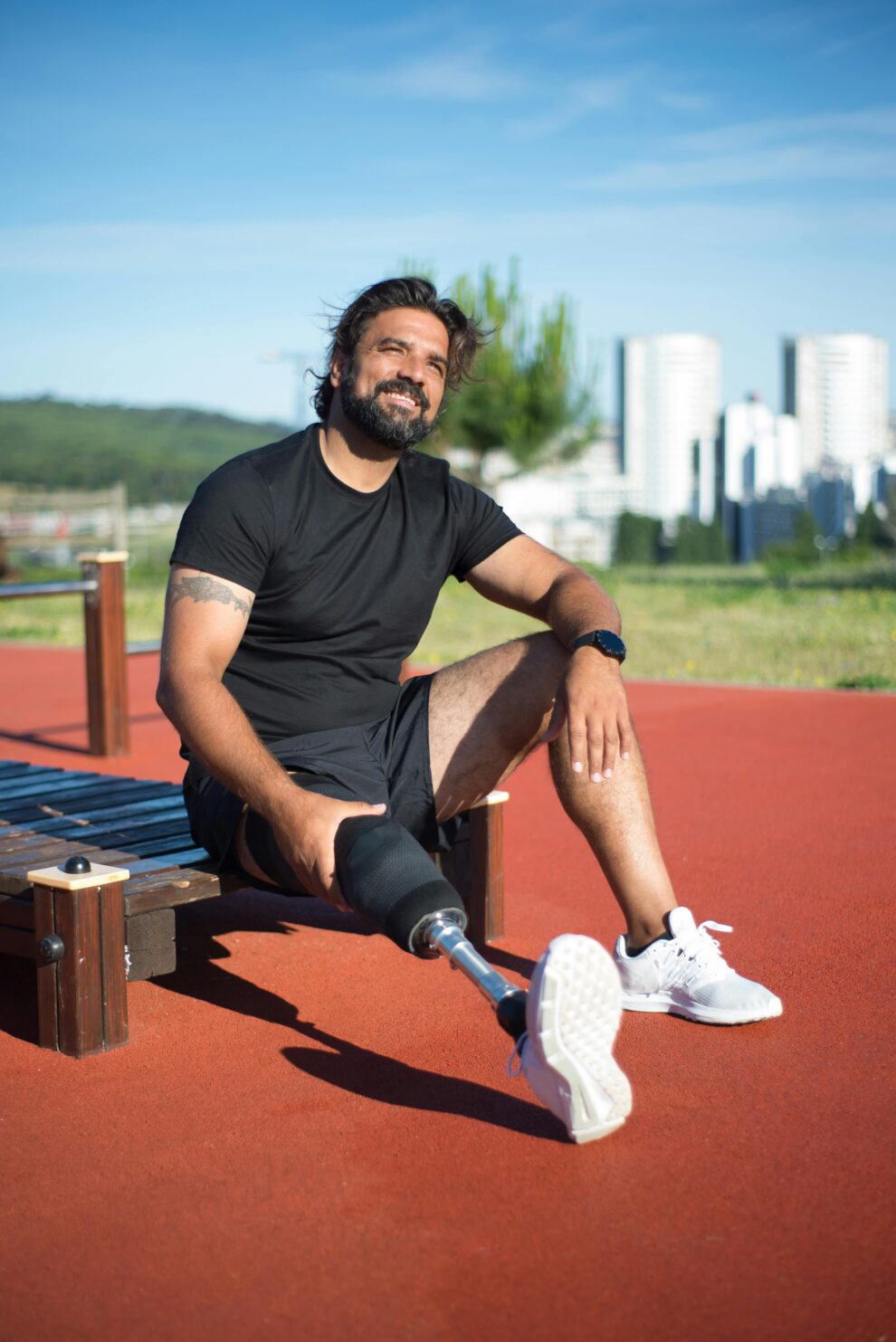
Limbs International is a US-based nonprofit organization that works to provide affordable, high-quality prosthetics and rehabilitation services to amputees in developing countries. Founded in 2004, the organization’s mission centers around creating low-cost, locally producible solutions. Libs International designs, creates, and tests prosthetic devices in its labs and clinics, most notably the “Limbs Knee”, which can be built using local materials for as little as $20 USD. Limbs International combines physical rehabilitation with community education, addressing the social, mental, and emotional challenges of amputees, helping make communities more inclusive and aware. The nonprofit partners with other organizations in countries in Africa, Asia, and Latin America to spread their impact across the globe. Limbs International has provided prosthetics and rehabilitation to over 10,000 low-income amputees across 50 countries. Limbs International is widely recognized for its blend of engineering, human rights, and community-centred care, with its work being able to change the lives of some of the world’s most vulnerable and marginalized people for the better.
Spinal Cord Injury Canada
Spinal Cord Injury Canada(SCI Canada) is a national non-profit dedicated to helping those with spinal cord injuries and mobility disabilities across Canada. The organization was founded in 1945 by World War II veterans to help soldiers returning home with paralysis. Since then, SCI Canada’s mission has been to promote the autonomy and participation of Canadians with mobility impairments through a wide range of services, allowing individuals and families to achieve the best possible quality of life. The organization’s services include professional rehabilitation counselling to provide services to and guide clients. The group connects patients with other people who are facing similar challenges for advice and emotional assistance. SCI Canada works with governments and communities to identify and remove barriers for people with mobility disabilities. The organization introduced Canada’s first folding, self-propelled wheelchair, allowing for more accessibility and independence. Spinal Cord Injury Canada has helped over 100,000 Canadians across the country, created a strong peer support community, and established many research partnerships. Today, the nonprofit has split into eight different provincial organizations, which all work together to provide services, advocate, and deliver life assistance to people with spinal cord injuries and disabilities.
International Disability Alliance
The International Disability Alliance(IDA) is a global network founded in 1999 to advocate for the human rights and inclusion of individuals with physical disabilities. The IDA is made up of many major organizations led by and composed of people with disabilities and their families from 182 countries. The organization’s vision is to create a more inclusive global environment and to ensure that those with disabilities are equal and have an active role in society. The IDA actively works with many United Nations entities, such as the World Health Organization, UNICEF, and the World Bank, to ensure that the UN Convention on the Rights of Persons with Disabilities(CRPD) is fully implemented in all UN human rights and development initiatives. The organization advocated for inclusive measures in disaster response and humanitarian action to make sure that those with disabilities are prioritized and not overlooked. The IDA especially prioritizes women, children, and other vulnerable groups with disabilities, promoting gender equality and child protection. The International Disability Alliance remains a powerful advocate for the rights and inclusion of people with disabilities around the world, and through UN advocacy, legal action, and humanitarian work, it is shaping a future where disabled people have equal opportunities and voice in all areas of society.
Final Thoughts
These organizations show that real progress comes from better design, fair policies, and the right supports. When we make buildings, transit, and digital spaces accessible—and when employers hire with inclusion in mind—everyone benefits.
You can help by donating, volunteering, sharing accurate information, and speaking up for accessibility at school, work, and in your city. Inclusion isn’t charity—it’s basic fairness.


